Work

How one design system serves four brands

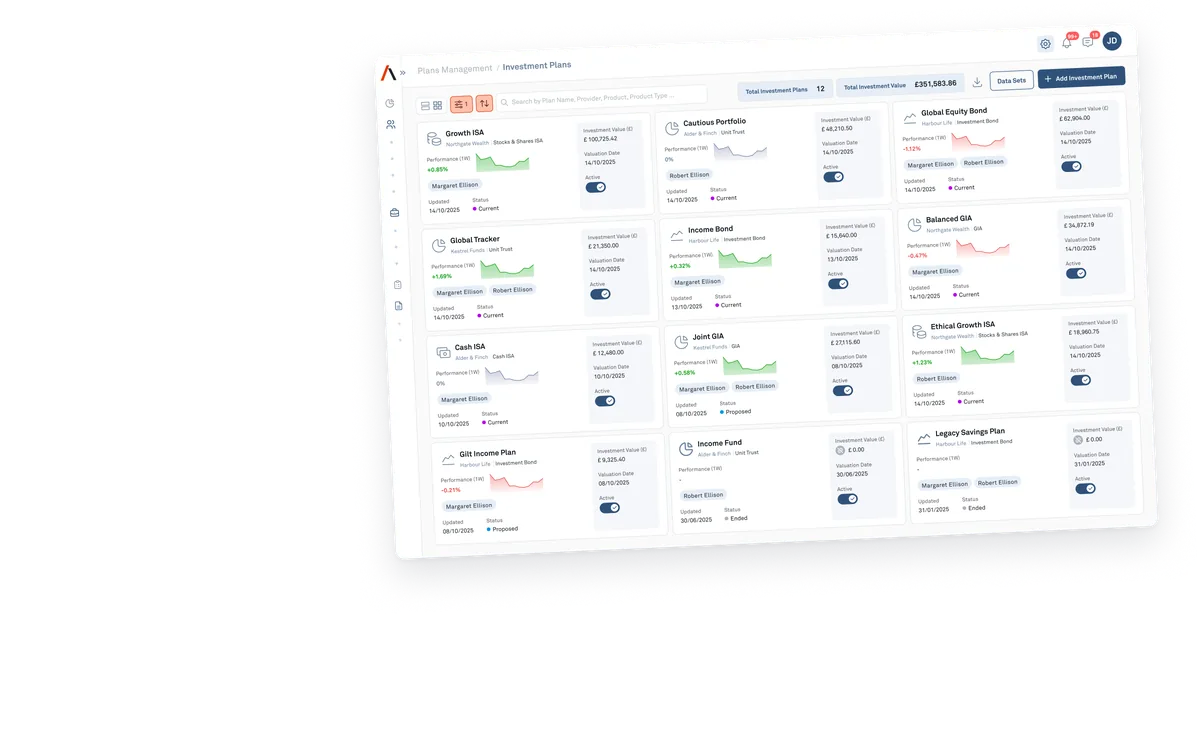
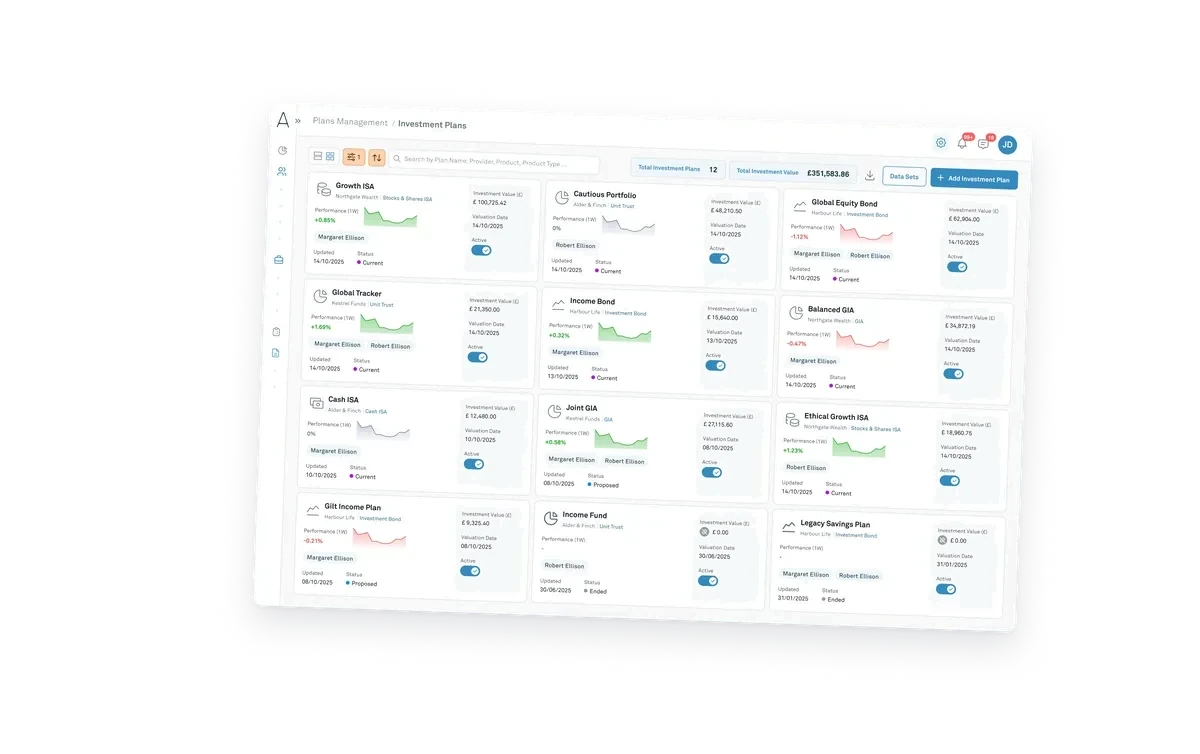
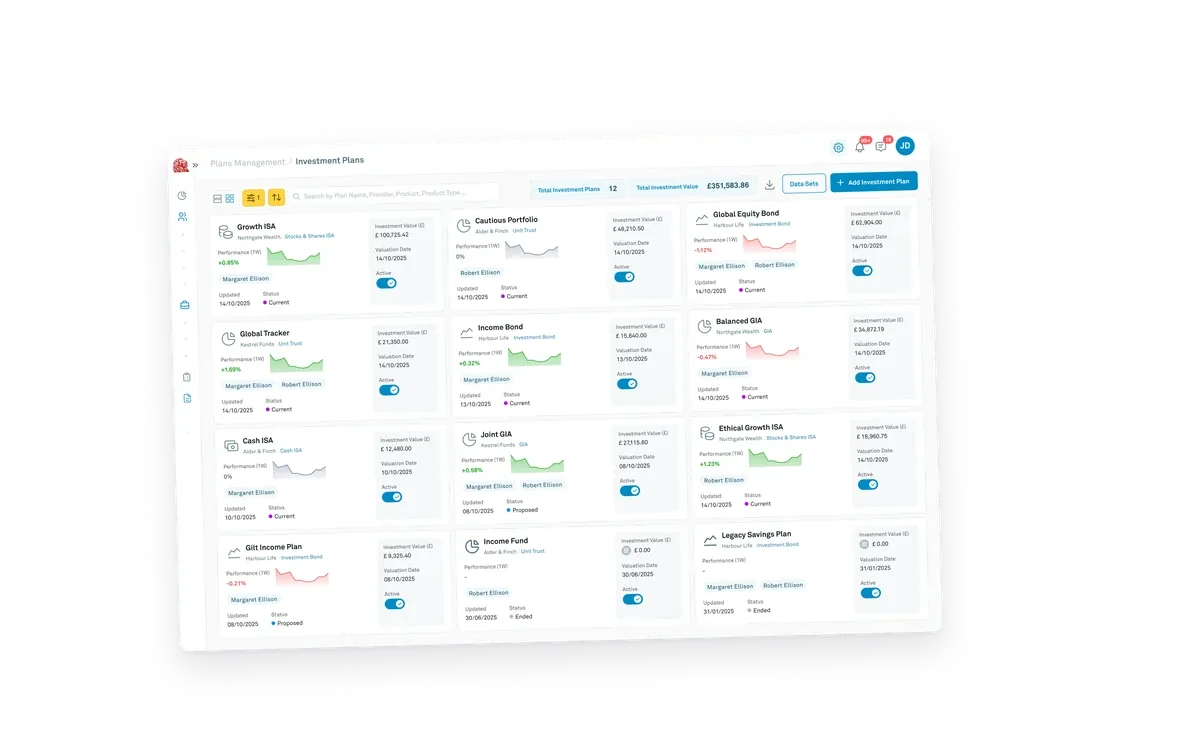
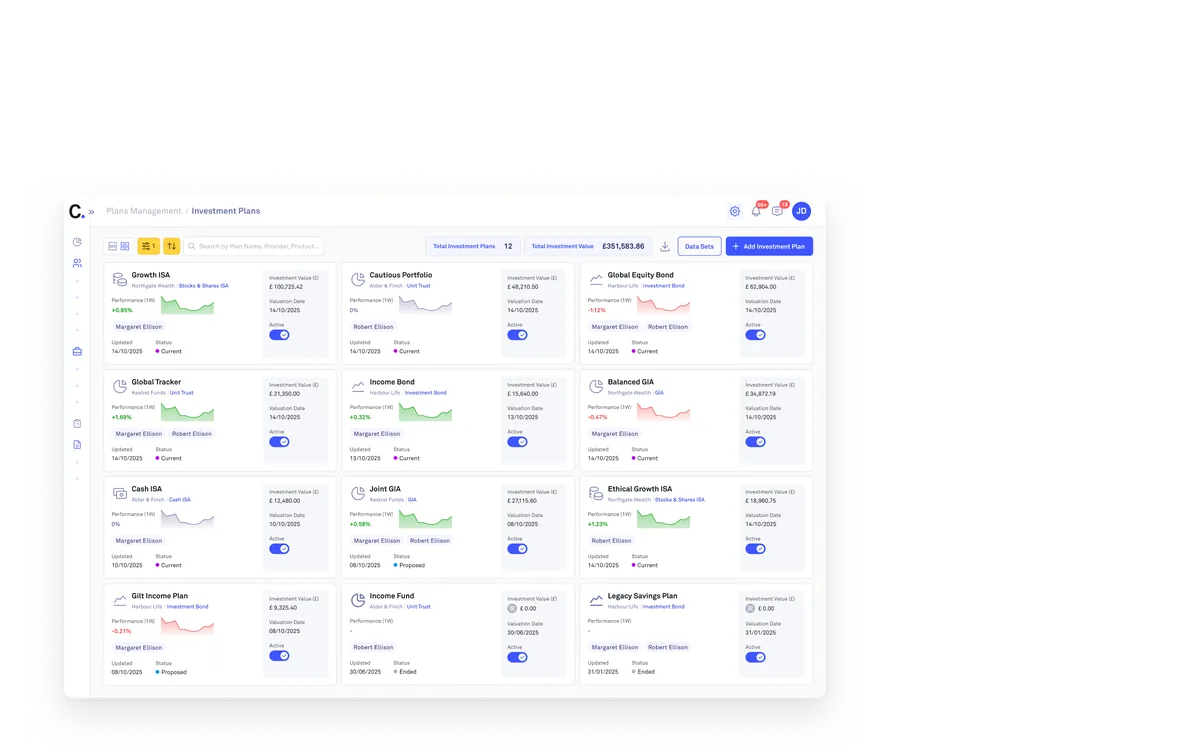
I built Centology's design system in Figma. Three white labels run on the same components, with their own colors set by a variable mode.

  • Design system · sole designer
  • Centology (IFS) + 3 white labels
  • Since Dec 2024, ongoing
  • Figma · web portal and client app

TL;DR

One set of components for four brands, switched by a variable mode

  1. Centology's portal also runs under three other brands: LCA, EBC and DMA. Each brand gets its own set of features.
  2. My part: color and type variables, a color mode per brand, components and variants in Figma, and guidelines for developers and AI agents.
  3. In Figma, a screen changes brand with one mode. In code, each brand has its own values for the same color scale, with no semantic layer.

Context and problem

Centology is a portal for UK financial advisers and their clients. Centology also sells it to three firms, LCA, EBC and DMA, who run it under their own brands. Each brand gets its own set of features.

In the old portal, sections had no shared components, and each white label was repainted by hand, so the brands drifted apart. I was the only designer on the redesign, and the product stayed live the whole time.

I started the system on Figma styles and recently moved it to variables. The goal: one set of components for every brand, where a brand brings its own colors instead of a copy of the components.

My role

What I did

  • Built the color and type variables, with a color mode for each brand.
  • Built 200+ components and variants in Figma, with every state, on those variables.
  • Made the logo one component that switches with the brand mode.
  • Checked each built module against the components and their states.
  • Wrote type, color, icon and status rules for developers and AI agents, and matched the status keys with the developers.

Process

The system started on Figma styles. I recently moved colors and type to variables and added a color mode for each brand.

Figma Variables panel, Tokens collection: a table of Primary, Secondary and Neutral color variables with a column of values for each brand mode (on a phone, the crop shows Centology and LCA).
The Tokens collection in Figma: the same variable names, with a mode for each of the four brands.

How it works

Colors, components, rules

From design to code

Empeek's developers build the portal; my part is design and review, not code. They build from my screens and components with every state. Each product runs one brand, so code needs no modes: a brand is its own set of values for the same color scale.

  • Tokens

    In Figma a mode switches the brand; in code each product gets one brand's values for the same scale, with no semantic layer.

  • Components

    Developers build from the same components and states I keep in Figma.

  • Implementation review

    After each module, I check the build against the components and their states.

Entity status colors table: 11 color tokens such as Primary/500 and Additional/Red/500, each with a swatch, HEX value, backend key and state category (on a phone, only token and backend key).
Part of the color guidelines: 11 entity status colors, each tied to the developers' backend key, so design and data use the same name.

Outcome

  • 4 brands

    one set of components, a color mode for each

  • 200+

    components and variants in Figma

  • 11

    status colors, each tied to a backend key

What changed

  • Brands

    A screen in Figma switches between four brands with one mode.

  • White labels

    A white label brings its own colors and logo; the components are Centology's.

  • Guidelines

    Type, color, icon and status rules sit next to the components.

Takeaway

  • I'd agree on a semantic layer with developers at the start, while adding it is still cheap.

Next case

How I redesigned a portal for UK financial advisers

Centology portal Investment Plans screen with the client app Dashboard on a phone

Centology: web portal and mobile app

I redesigned a UK portal where financial advisers manage clients and cases, and designed the client app now on iOS and Android.

  • Fintech
  • B2B portal
  • CRM

My contribution

Sole designer: portal and feature redesign · App MVP · Implementation review

Open case

Contact

Need one design system for several brands?

I'm open to product and UX/UI roles on B2B teams. Message me and we'll set up a call.